When Teresa Aragon was growing up in South Phoenix as the middle child in a close-knit family, she thought the way people at her school or at the grocery store would talk to her mother was weird. They would slow their speech, raise their voices, over-enunciate. They would talk to her like she was a child.
Aragon paid close attention, and these moments didn’t make sense to her; her mom was whip-smart, but at 12, she had immigrated to Greater Phoenix from Mexico and so she was always working on her English.
As Aragon grew up, she learned to decode these moments, which, to her, were just part of everyday life in her bilingual, bicultural neighborhood.
“Growing up, my mom had a heavy accent and we spoke Spanglish, and I could see how people perceived my mom and how my mom perceived our environment,” explained Aragon. “So I grew up with a lot of empathy and an understanding of communication, how powerful words are — spoken, written or through body language. And I understood how precise you have to be.”
This understanding became the key to her success. And to that of her employer: Carvana.

Changing Customer Service in Car Sales
In 2012, Aragon drew on her nuanced understanding of communication to begin designing the values, behaviors and customer-support principles that would define Carvana’s e-commerce experience — an element that cofounder Ernie Garcia III says was critical to getting the company off the ground. At the time, Garcia and Aragon were working at DriveTime in Tempe, Arizona, the used-car company Garcia’s father had founded. DriveTime had more than 100 locations nationwide, but Garcia thought online car sales would be the future.
Garcia set out to change the way people bought cars by providing customers a solution that was fun, fast, fair and powered by technology. Aragon was one of his first hires, drawing her away from managing DriveTime’s customer service and internet sales operations. Her job was to start building out a team and a process, tucked away in a corner of DriveTime’s headquarters, to support customers throughout the car buying journey.
“There was nothing about her background, if you just looked at her resume, that made it obvious that she would be able to play such an important role in what we built at Carvana,” said Garcia, “but if you meet her as a person, it’s so clear, she’s extremely capable.”
Aragon’s challenge was to earn the trust of customers who were accustomed to spending hours at a dealership, test-driving cars, speaking with salespeople, and signing piles of paperwork, and instead help them feel confident about buying a car online from a company they’d never heard of. Aragon said she knew she had to sell trust — not cars — and guide people through what is often the second-largest purchase of their lives in a completely new, digital way.
On those first calls, the entire business model was on the line, but Aragon had a hunch that if her team could genuinely convey empathy and make clear that the seven-day, money-back guarantee was Carvana’s way of standing behind every car, they could make it.
“At first, the job was just to get them to not hang up,” Aragon remembered with a laugh. “We used to ring a gong every time we made a sale because it was so infrequent. People in the building would make fun of us, ‘Oh, there they go again.’ But we had to keep up morale.”
The idea was to make customers feel like they were talking to a friend who genuinely wanted to help, not a salesperson.
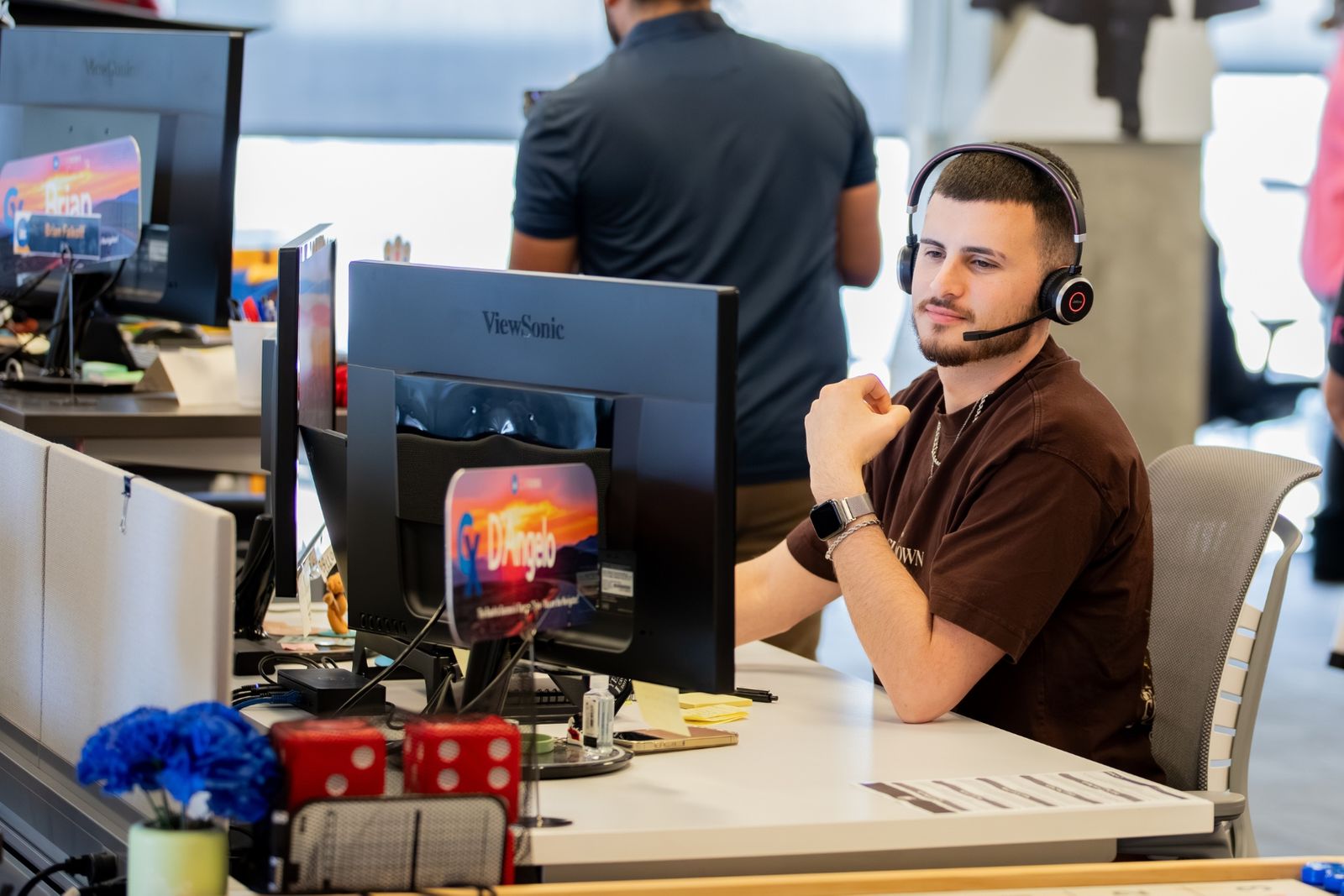
The key, she learned, was hiring people who had a natural affinity for connecting with customers; people who could hear a dog in the background of a call and say, “Oh, you have a dog! What’s their name?” And then think about how that customer’s car might need to fit their lifestyle — and their dog. The idea was to make customers feel like they were talking to a friend who genuinely wanted to help, not a salesperson. Which, Aragon pointed out, was, and is, true. No one works on commission at Carvana.
These traits — empathy, curiosity, and care — align with Carvana’s core values and are nearly impossible to teach. Aragon said she found Greater Phoenix to be full of people like this, either because they were locals, like herself, who were used to welcoming transplants, or because these people had moved from elsewhere with the openness and friendliness necessary to make it in a new city. The 22 municipalities that make up Greater Phoenix are home to 5.21 million people, and have sustained a population growth rate between 4% and 11% annually since 2010.
“If you’re hiring people who naturally love people and are naturally curious about them, that is going to come through in every interaction,” she said. “And we became really good at doing that.”
Garcia added that because the Valley draws residents from across the nation, Carvana has been able to hire a diverse team that reflects the breadth and diversity of its customer base.
By 2017, Aragon’s playbook was working so well, the company went public on the New York Stock Exchange, and in 2021 made the Fortune 500, the third-youngest company to ever do so. In going from less than 20 employees in 2012 to approaching 20,000 today, Carvana kept prioritizing people who not only genuinely connect with customers but who are also excited about trying new things, open to taking career risks, and eager to do hard things. And the Valley is full of these people, said Garcia.
“The West is where new things happen, and I think people in Phoenix are used to doing new things in new ways,” Garcia said. It takes a certain kind of person to manage a car vending machine when they’ve never seen one before. Or to handle something as complicated as cross-country car delivery with the gracious, personalized customer service a client might only expect from a wedding coordinator.
“The West is where new things happen, and I think people in Phoenix are used to doing new things in new ways."
An Evolving System
Today, Carvana is still as future-oriented as it was on day one, Garcia said. Aragon’s team is evolving rapidly to keep raising the bar for the quality service it delivers while the company reaches new levels of scale. For example, Aragon’s team has built its own in-house systems that take advantage of the latest technologies to stay efficient, personalized and present. From using AI to take accurate, searchable notes to automated call-quality monitoring, every innovation is balanced by a people-first culture that lives by one of Carvana’s core values: “Your Next Customer May Be Your Mom.”
This value is practiced every day. Aragon points out that she still uses her mother as a stand-in for the customer. “I always go, ‘How would my mom think about this? How would my mom process this?’ She’d probably say they’re loco if we use too much jargon or try to sound too slick. So I try to break it down even more. Especially in those early years, we were still trying to fight for things and say we deserve to be here. We are a better way to buy a car.”
That concern for clarity and care is constant, said Aragon. These cars are people’s livelihoods. Ways to get to school, work and the hospital. Sweet 16 presents. Christmas, anniversary or retirement gifts. So when a delivery is delayed by a chipped windshield, a check-engine light or a set of keys locked inside (all real issues), advocates have to handle the calls with the same grace they’d show a family member.
“Growing up in Phoenix and going to school at Stanford (University), there are a ton of really smart people at Stanford, but they are not smarter than all the really smart people I grew up with,” Garcia said. “We knew this was a really great place to start a business. But at the time, people kept saying that you had to do this in the Bay Area. We knew that was wrong.”
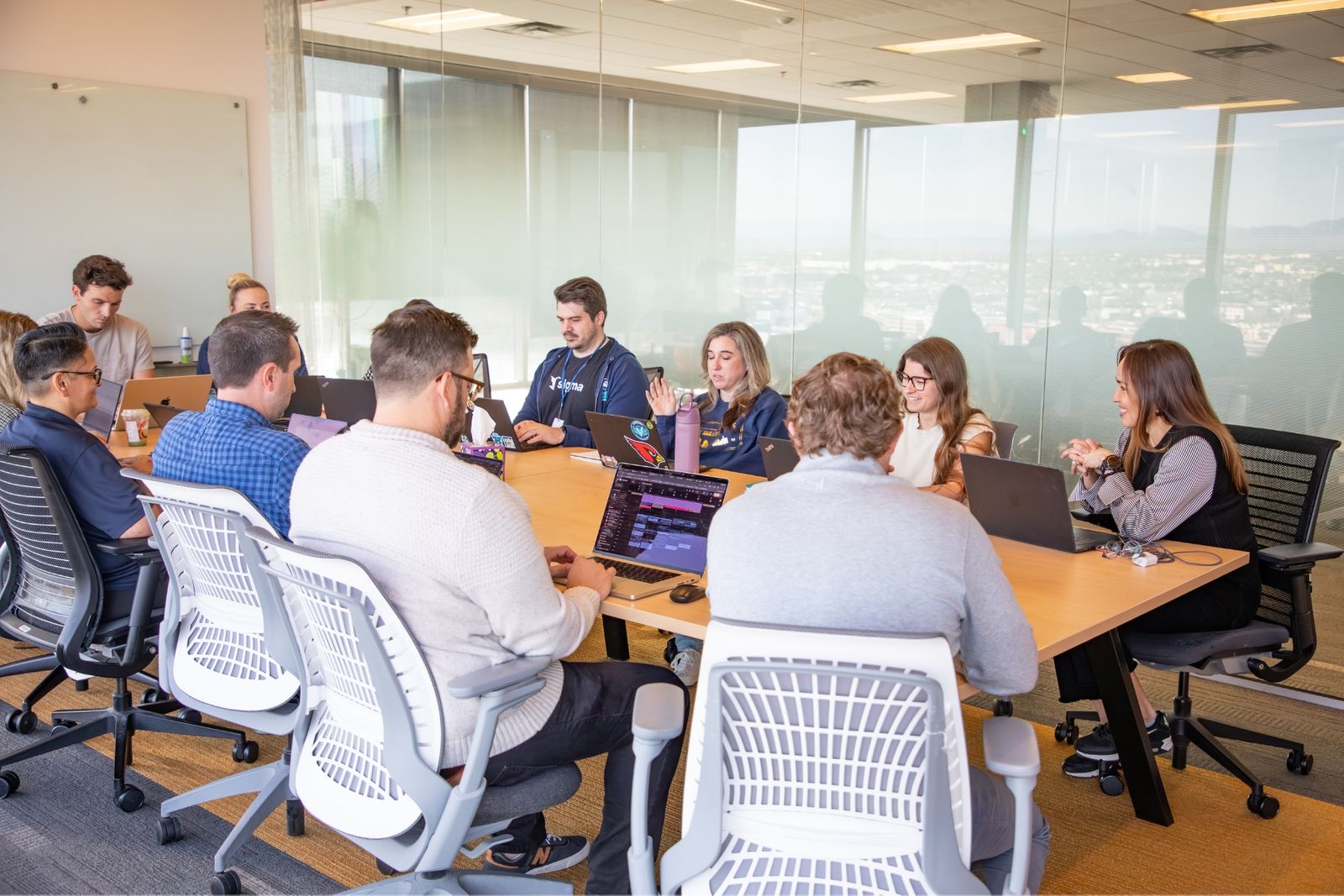
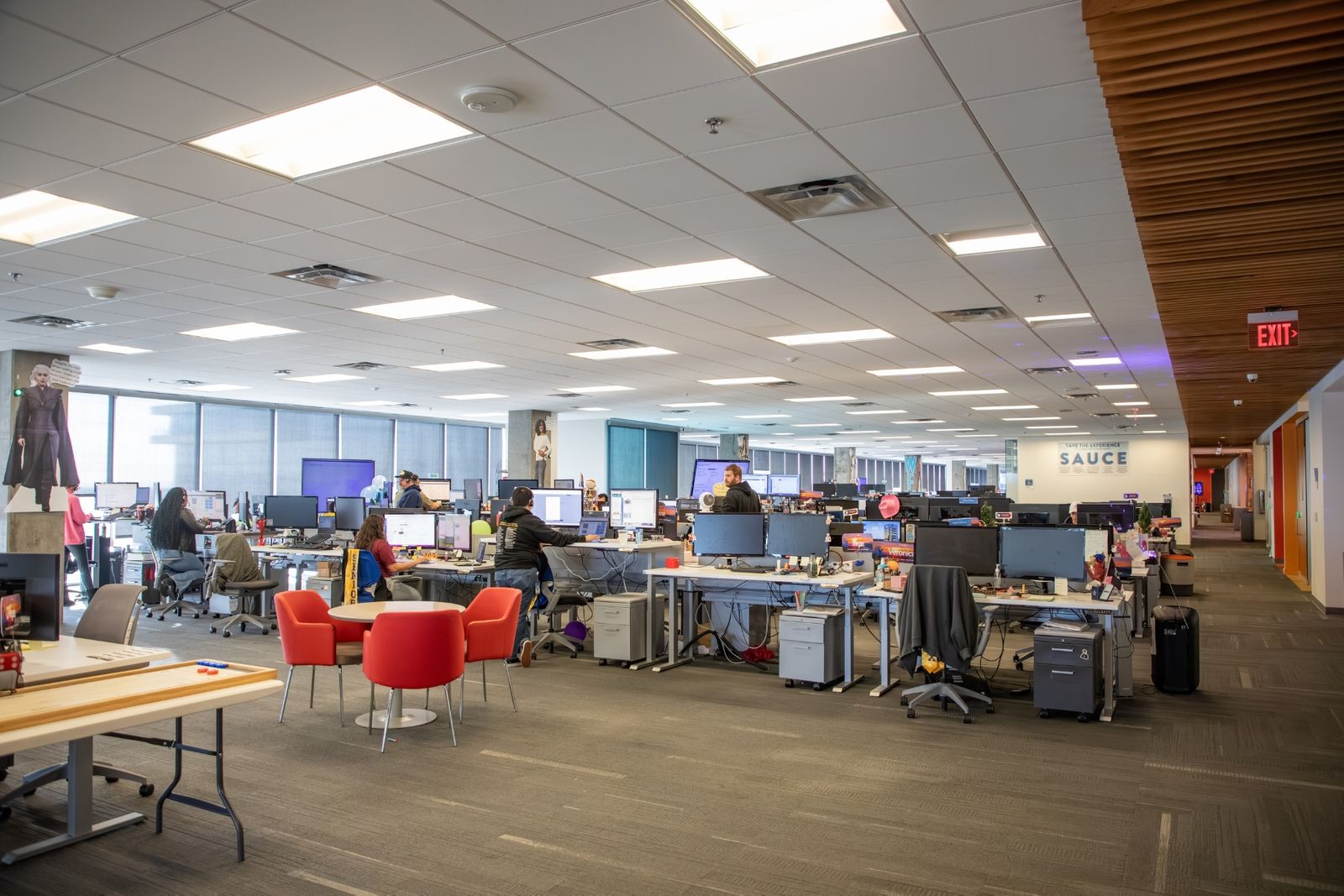
Garcia said he always saw that the Valley’s diversity and practicality could offer Carvana what it needed to scale. The company proudly promotes from within, hiring tech workers and customer advocates who work and collaborate on the same floor. Garcia pointed out, “We’re an e-commerce company until the car is in your driveway.”
“It turns out that real people are really good at solving problems for real people,” Garcia said. “Sometimes pedigree is a problem. You lose touch with how to make things happen. It can keep people from knowing how to solve problems and drive impact. And here, people have all the smarts and talent in the world, but also a practical hustle and knowledge about how the world works.”
And when he does need to recruit from elsewhere, Garcia said the Valley's quality of life makes a compelling case to people sick of living in cramped apartments in the nation’s traditional startup capitals.
“In the Bay Area, Los Angeles, or New York City, there are a ton of people who are tired of the city, are thinking about starting a family, or they have a family and want a yard,” Garcia said. “The Valley is an unbelievably livable place; a great place to raise kids, incredible weather, so active … it’s off people's radar, but then they see all the restaurants, all the things to do, and they see all their preconceived notions were wrong.”
Share this story