Goodwill has been a national presence, economic force and social pillar for more than a century, enhancing the dignity and quality of life of countless people through its retail locations that provide opportunities for education and employment.
Today, this storied nonprofit is also taking on a persona of modern innovation, tailor-made for the demands of the 21st century. And the hub of this transformation is right here in Greater Phoenix, the home of Goodwill of Central and Northern Arizona (GCNA).
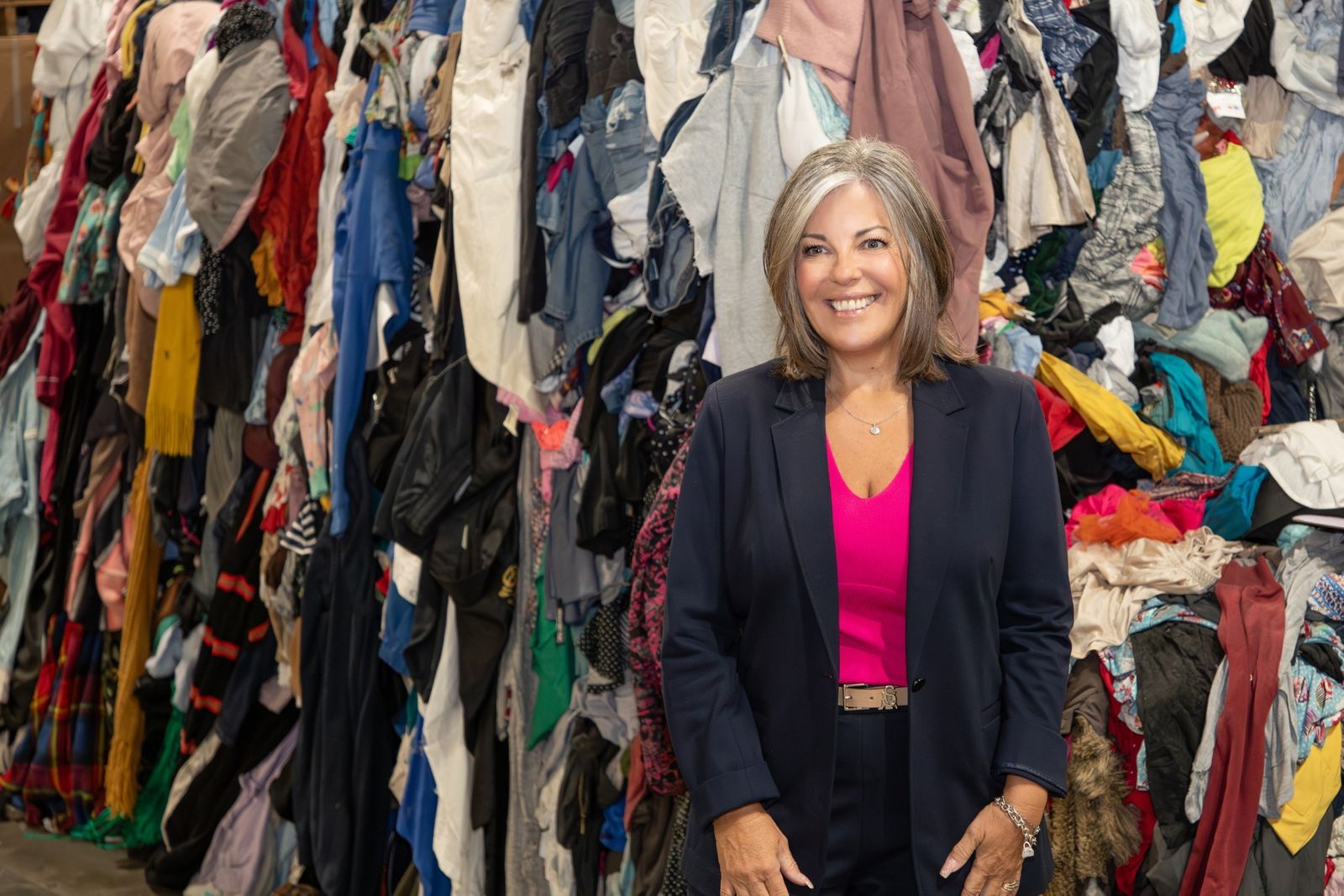
By adding a dedicated sustainability dimension designed to target the textile waste crisis that accompanies fast-fashion — which accounts for much of the inventory that passes through its warehouses — GCNA is turning routine on its ear by finding destinations for textiles to be recycled and reused rather than put in landfills, explains Beth Forsberg, the organization’s SVP and Chief Sustainability Officer.
“Today, our mission has grown to take on one of the world's fastest-growing problems,” Forsberg said. “The traditional thrift model is to collect, sell and salvage. GCNA is disrupting the cycle by identifying responsible end markets the items not bought in a traditional retail environment.”
U.S. consumers purchase 60% more clothing than they did 15 years ago but wear those pieces for only half as long. This change in consumption habits combined with the fact that fewer than 1% of textiles are recycled into new fibers highlights the need for action.
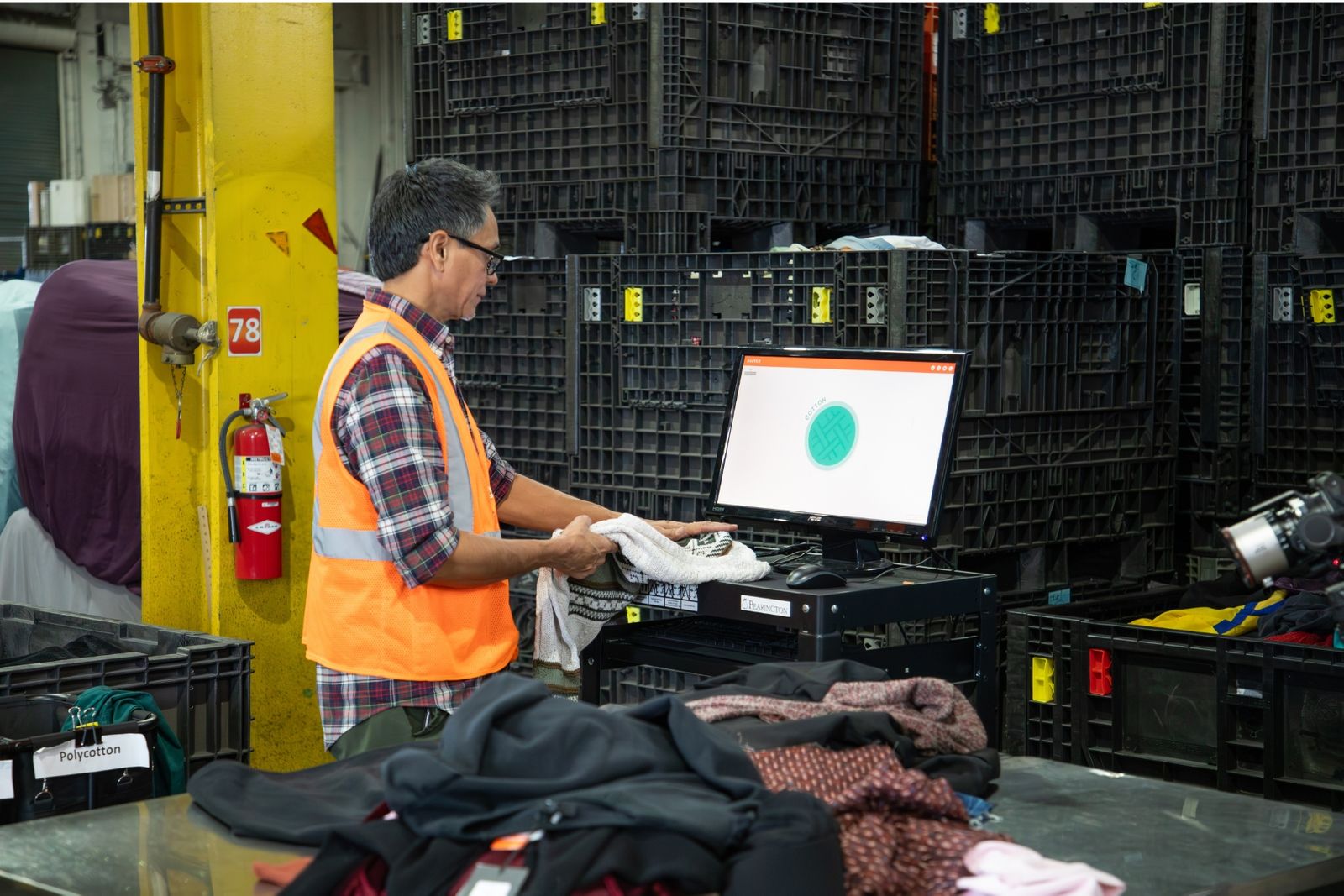
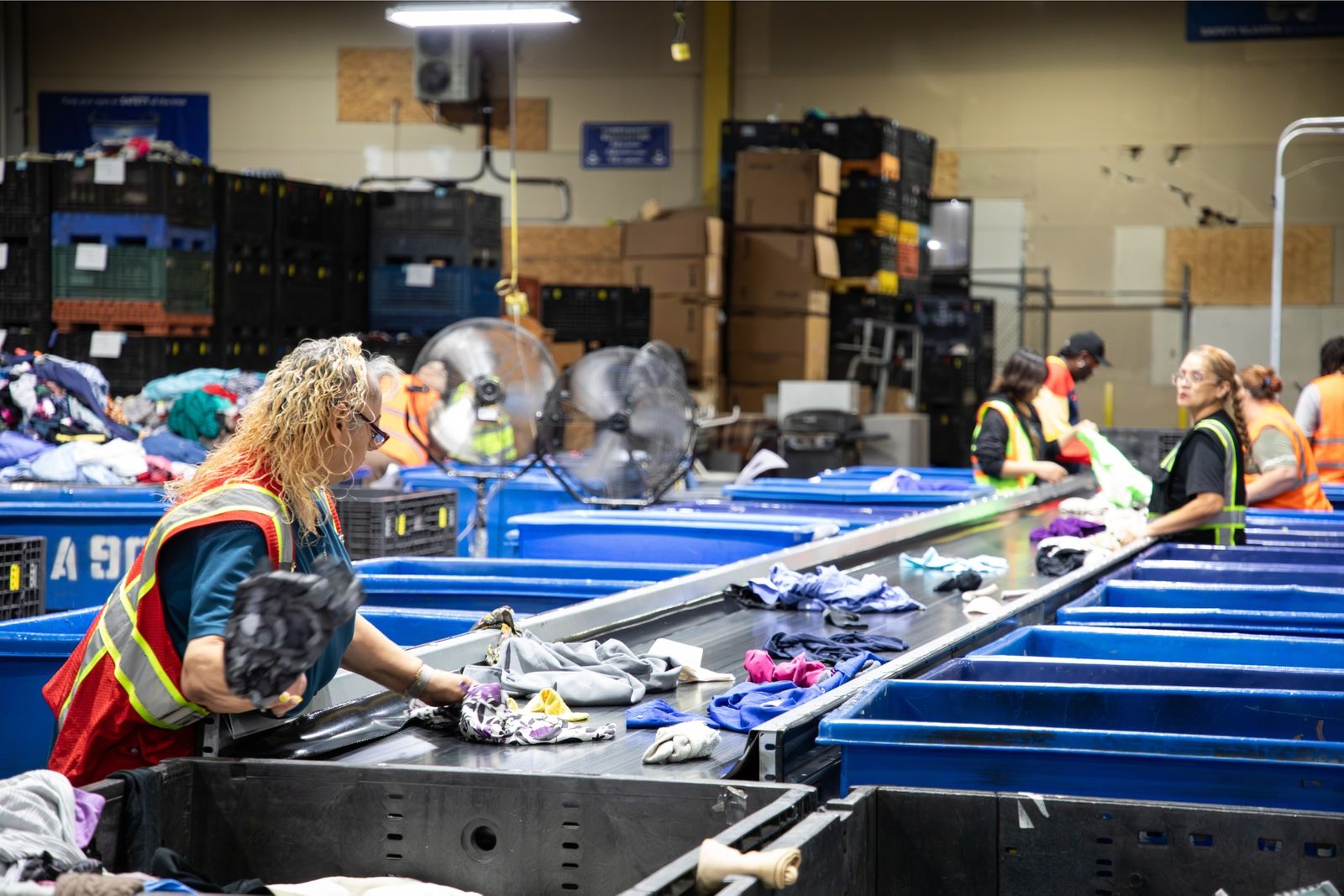
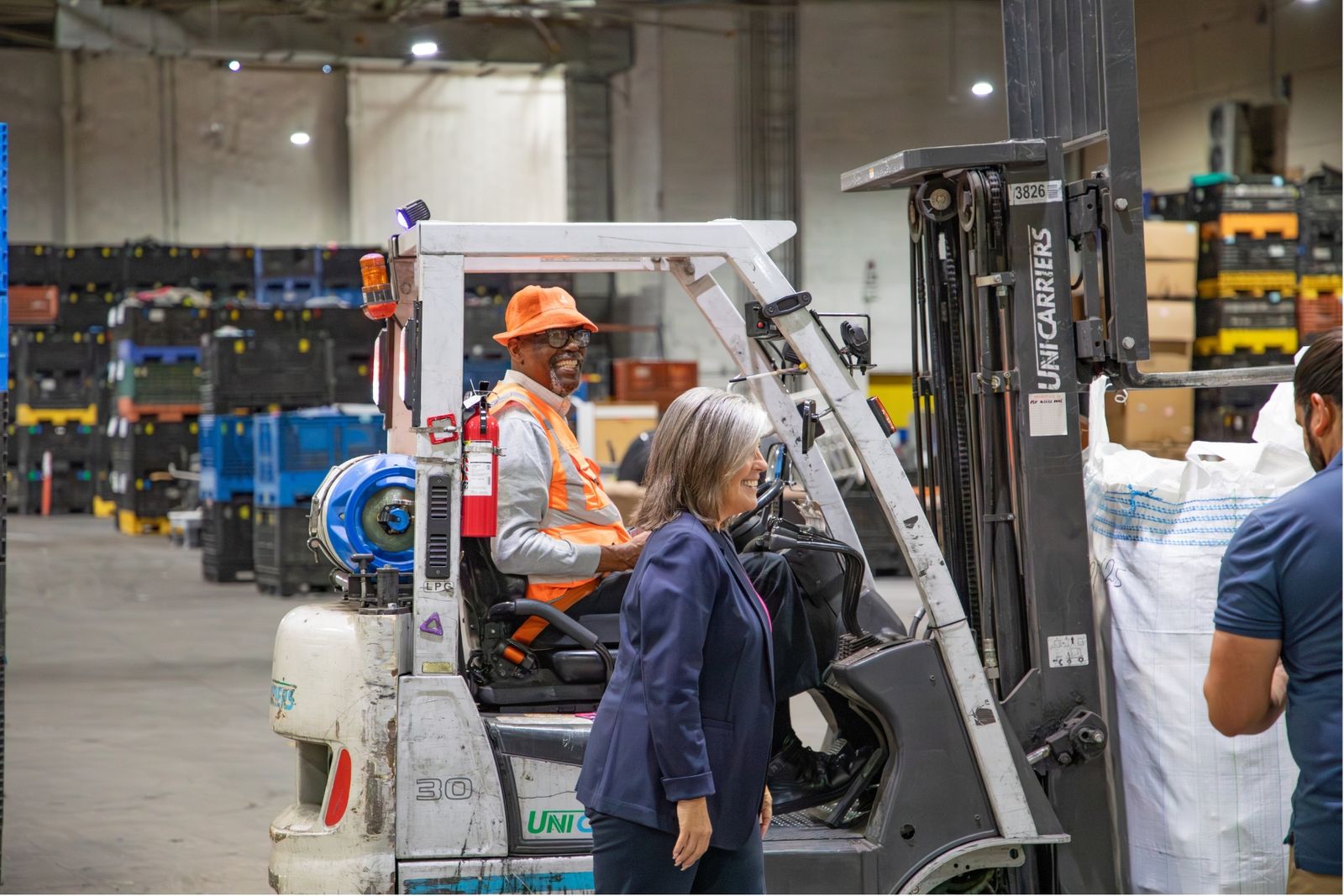
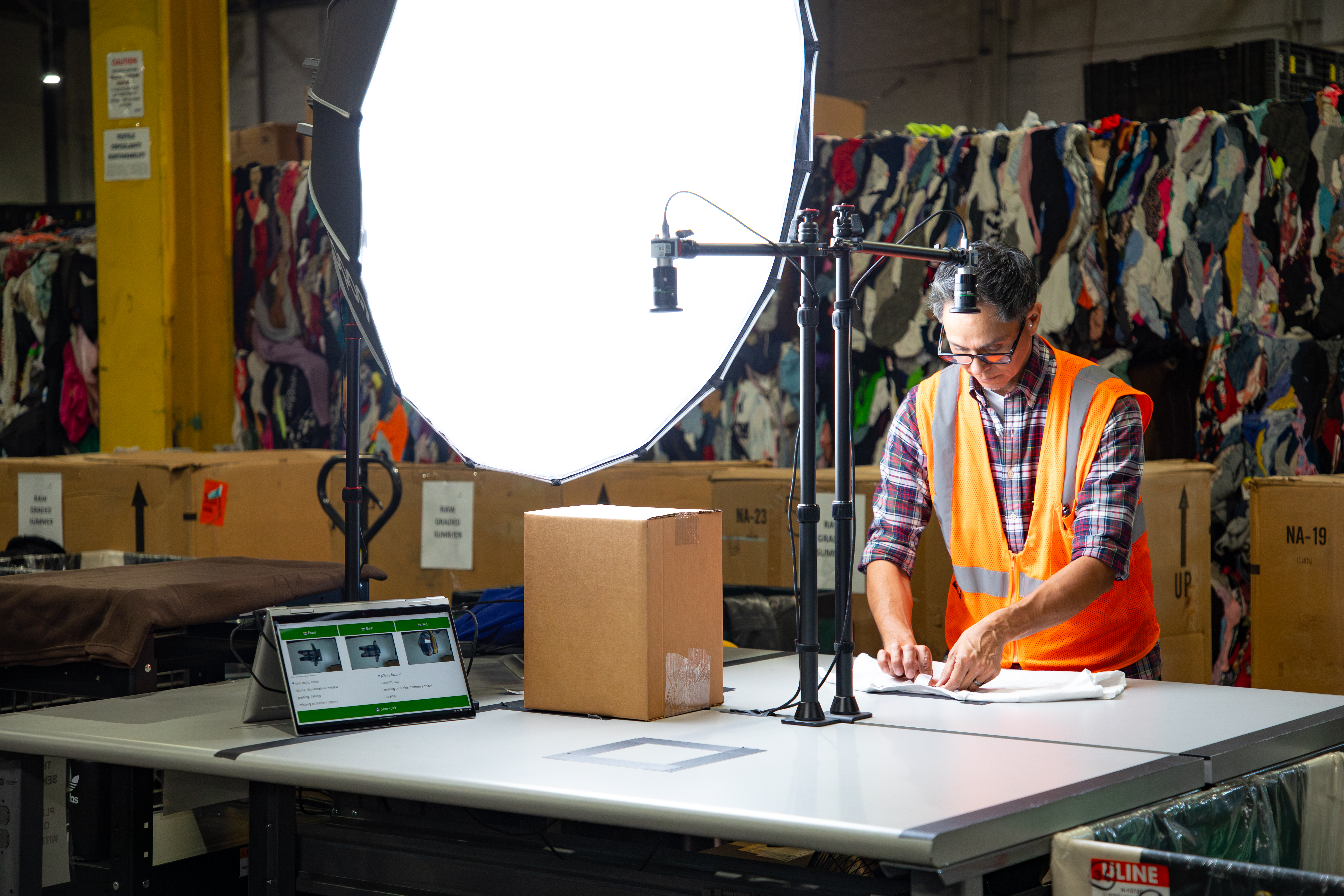
In 2017, GCNA defined its Retail Operations Center (ROC) as the headquarters for textile sorting and evaluation to determine quality and repurposing potential. This foundation combined with the power of technology and strategic partnerships, enables GCNA to identify responsible end markets for nearly every donated item. This has made GCNA a trailblazer in the battle to reduce the waste that — until now — has been an unavoidable part of doing business in the clothing industry.
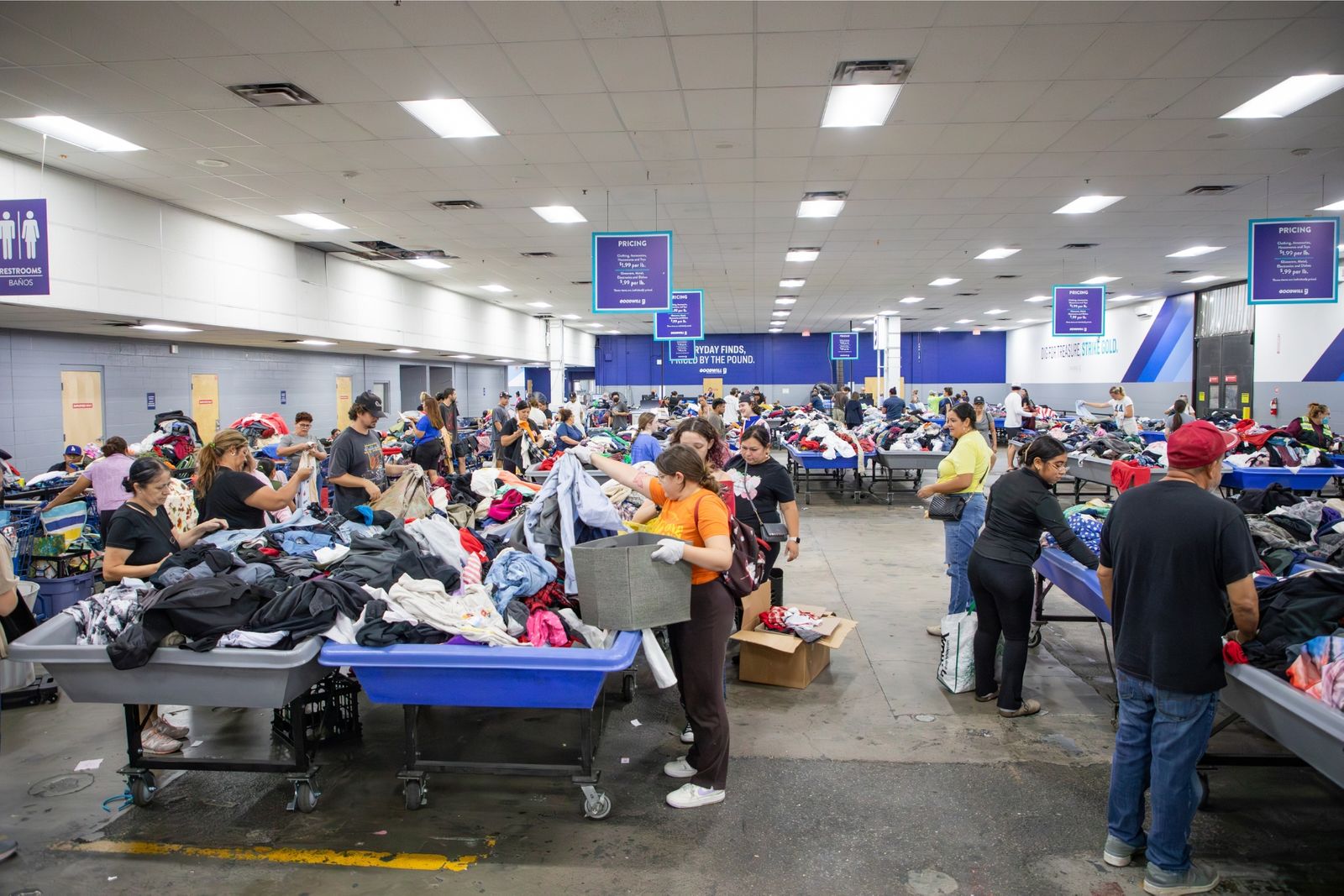
To help put GCNA's role in perspective, in 2024, Goodwill of Central and Northern Arizona collected more than 220 million pounds of donated goods across more than 100 retail stores, nearly 50% of which were textiles.
How Goodwill is Leading Sustainability Efforts in Phoenix
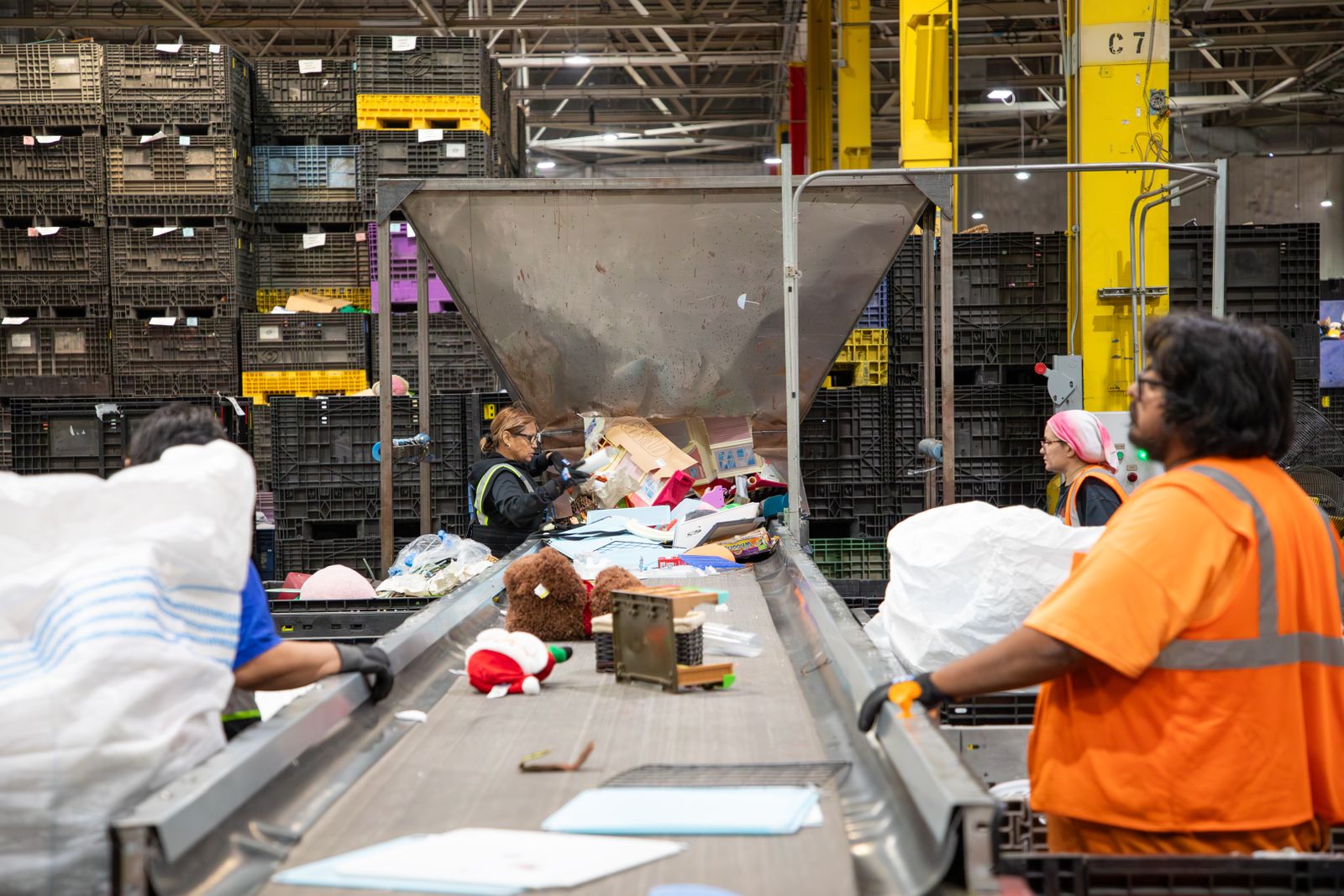
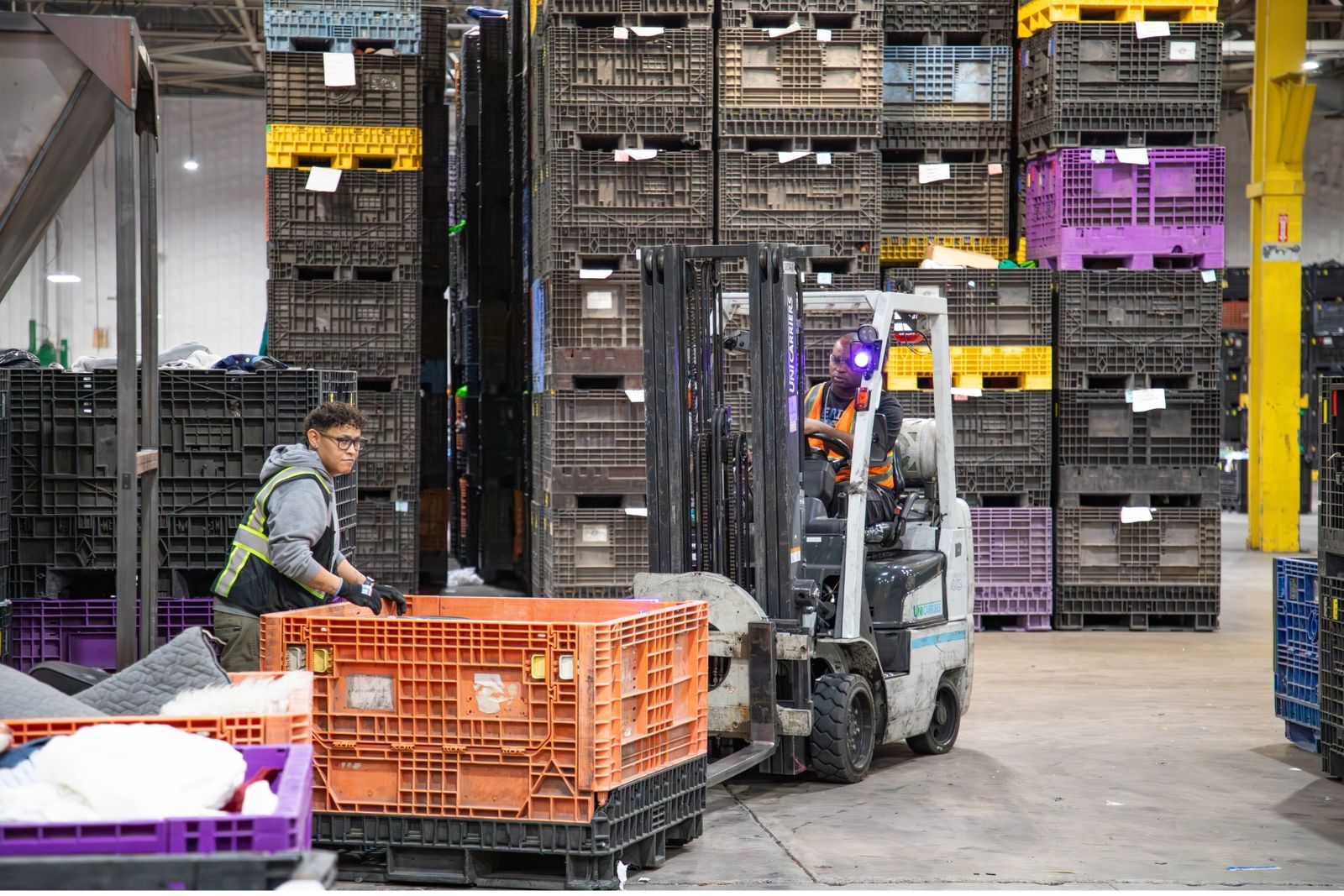
When donated items hit the Goodwill floor, they have a six-week cycle. The ones that don’t find a new home make their way back to the ROC, where they are assessed to ensure that reusable items are identified and directed to appropriate uses whenever possible.
Sustainability has been at the heart of Goodwill since it launched in Boston in 1902, giving pre-loved items to get a second life and keeping them out of the landfills. Building on that foundation, Goodwill of Central and Northern Arizona - the largest operator in the Goodwill network - is taking this commitment even further by creating and piloting programs that can be scaled to other markets that share the circularity mindset.
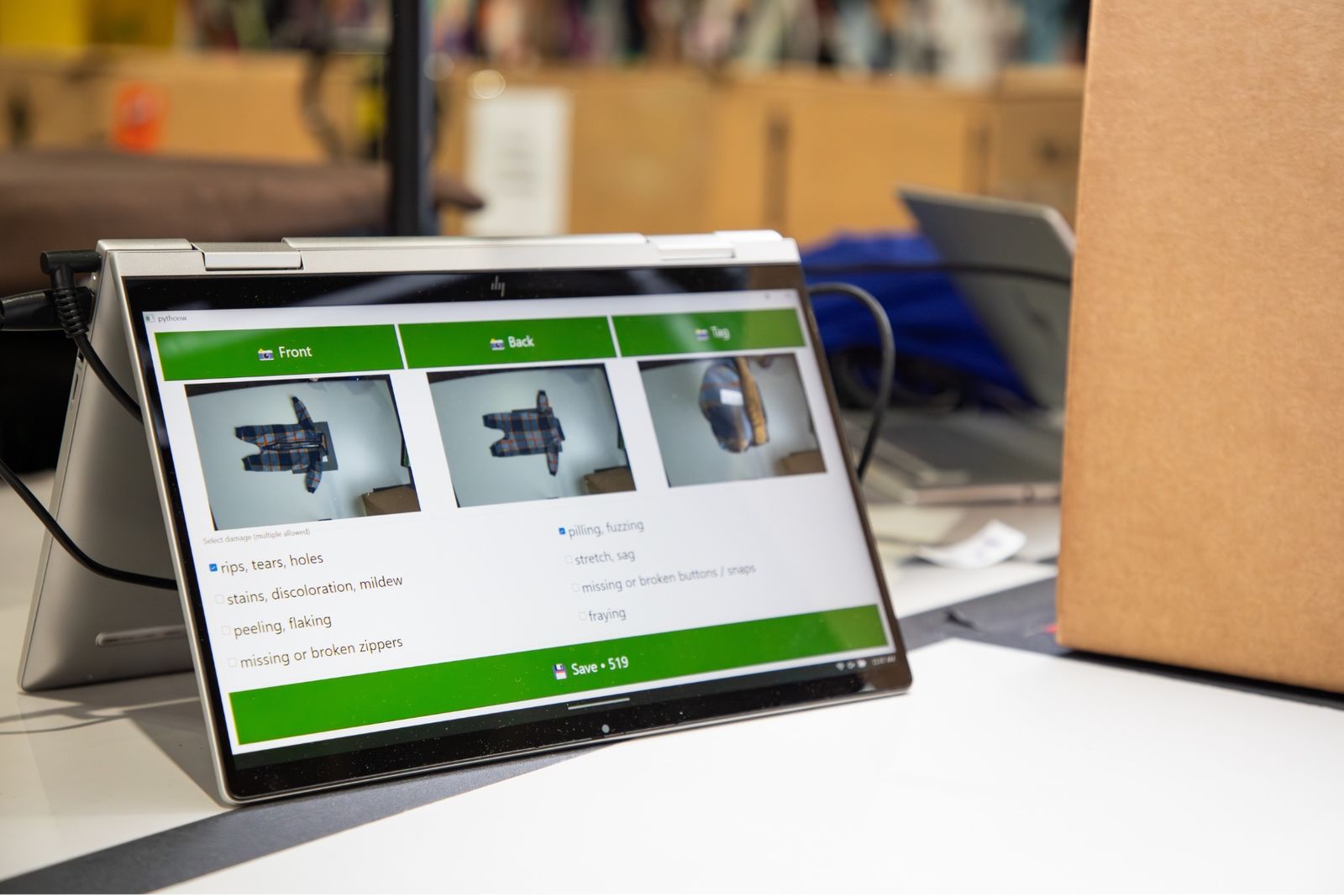
This endeavor has been the catalyst for partnerships with Arizona State University’s (ASU) Rob and Melani Walton Sustainability Solutions Service, the City of Phoenix, and companies like Refibered, which developed an AI-enabled textile detection technology that has the potential to assist GCNA in identifying textiles eligible for recycling.
“I think my biggest moment came from understanding that we need to transform from just collecting to being a material-recovery operation,” Forsberg says. “When we started to branch out and when some of our wonderful partners, like the City of Phoenix and ASU, came into our facility, they were in awe of not only the volume that we collect, but all the steps that we go through to prioritize reuse.”
"When some of our wonderful partners, like the City of Phoenix and ASU, came into our facility, they were in awe of not only the volume that we collect, but all the steps that we go through to prioritize reuse.”
Forsberg views this mission as not only a responsibility to help preserve the health and longevity of the planet, but also an opportunity.
“The more and more that we've been able to reach out to folks, we realize that we are in a position to bring an interest to Greater Phoenix in a way in which it traditionally isn't thought of,” Forsberg says. “And that's through the Goodwill brand.”
A key part in that goal is establishing Goodwill as a central player in the growing network of companies delivering sustainability solutions to brands, waste haulers, and the broader community - especially here in Greater Phoenix.
“We see a time when we can transition from being a nonprofit partner to an actual solution provider… and we want to position ourselves as being able to provide some of those services,” Forsberg says. “We're very excited to learn how we fit into this emerging ecosystem… We are truly looking to help unlock solutions for Greater Phoenix.”
The process required to aggregate and prepare materials to go back to market can be cost-prohibitive in other states, but much more doable in Arizona. This makes what’s done here a reliable template that other markets across the country can follow and implement to their facilities, creating a unique incubator of possibilities when it comes to rethinking the thrift and recycling realm.
"Innovation is abundant in Greater Phoenix."
Partners play critical roles in this space, Forsberg points out that Phoenix's roadmap for a circular and sustainable economy, combined with ASU's innovation and incubation ecosystem, creates a unique opportunity for Goodwill to bring both current and future sustainability visions to life.
“Without those partners, we would have never have had the confidence to step into this space,” Forsberg says, acknowledging that this trifecta that unites environmental, economic and social benefits is what allows GCNA to fulfill its mission and forever change this space. “Innovation is abundant in Greater Phoenix, and Goodwill of Central and Northern Arizona is proud to be part of a market where new opportunities and ideas can be tested and deployed to create a more sustainable future for everyone.”
Share this story